
The NATO M&S COE successfully conducted the 3rd JTLS-GO Foundation Course
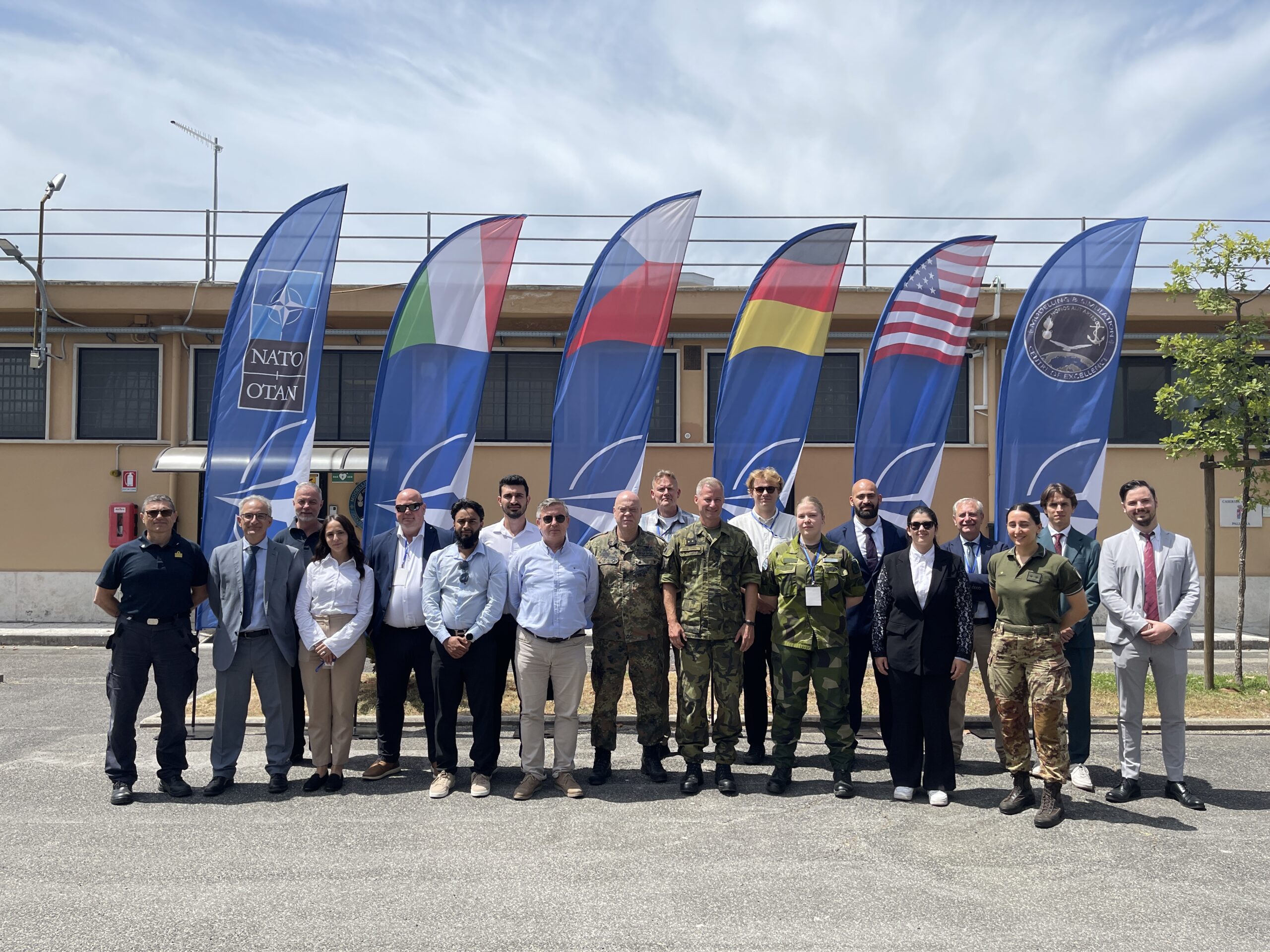
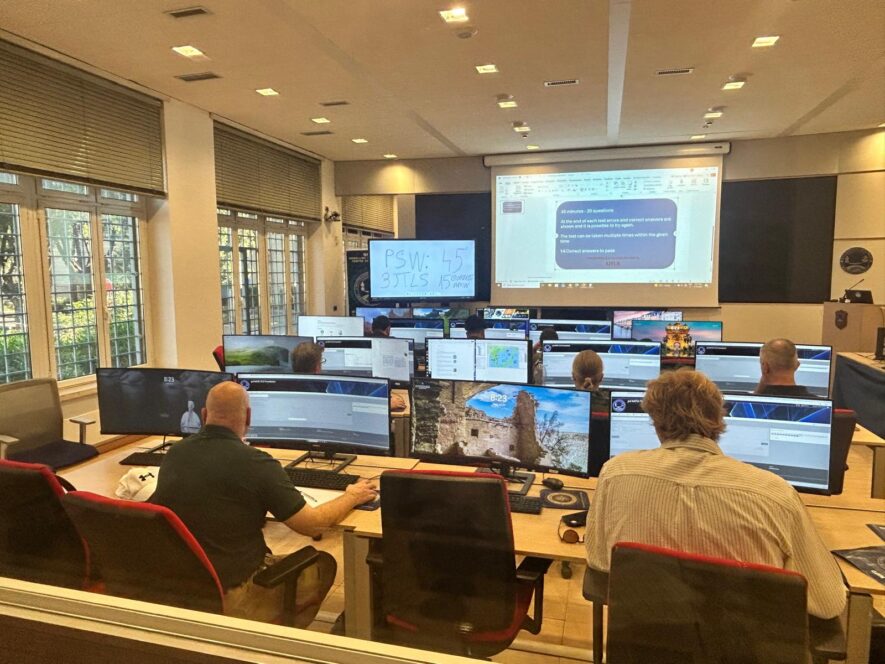
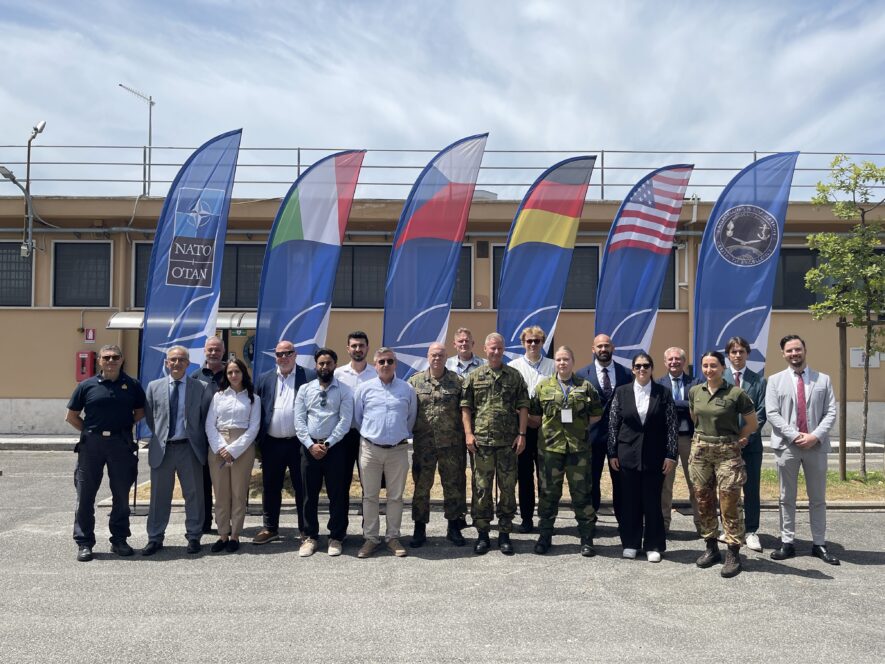
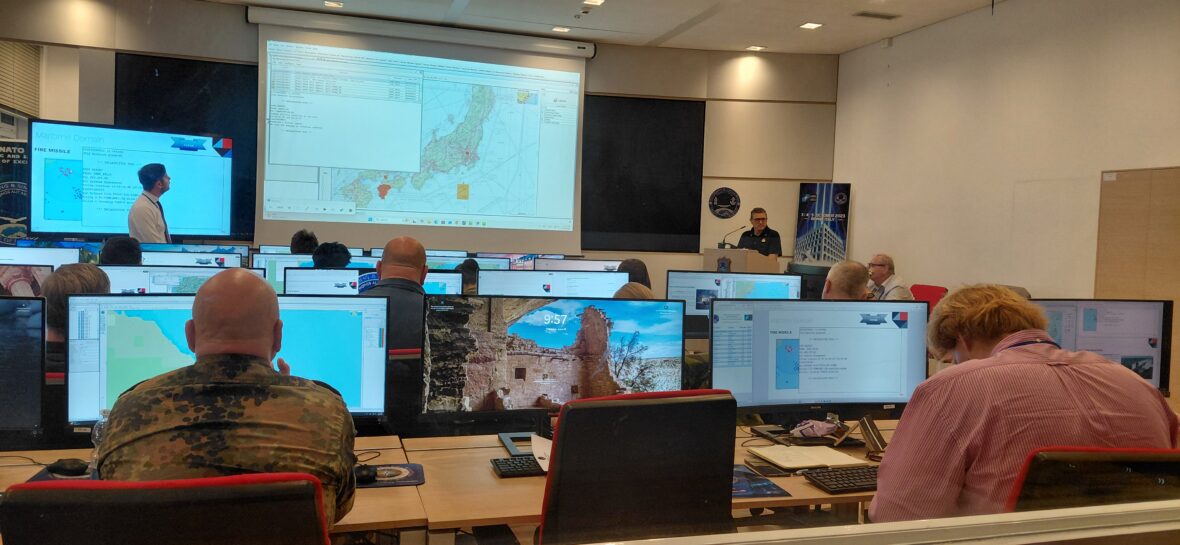
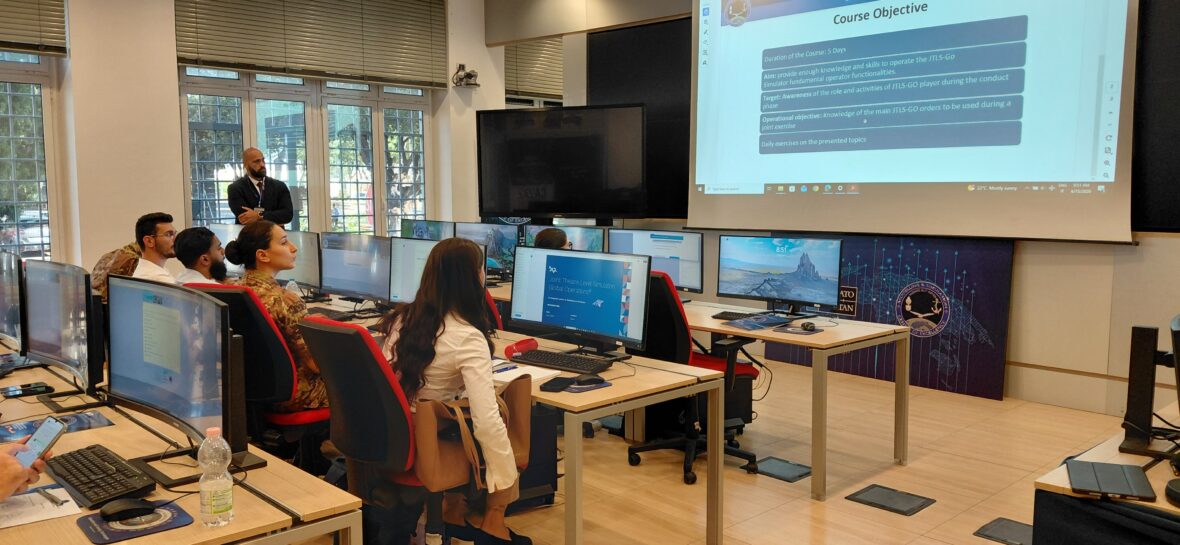
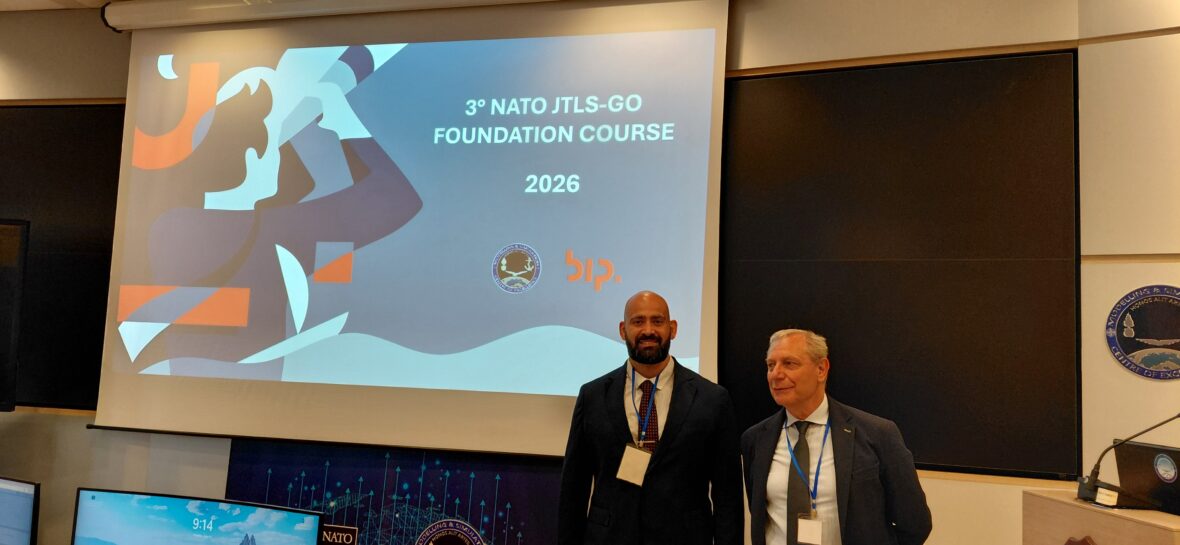
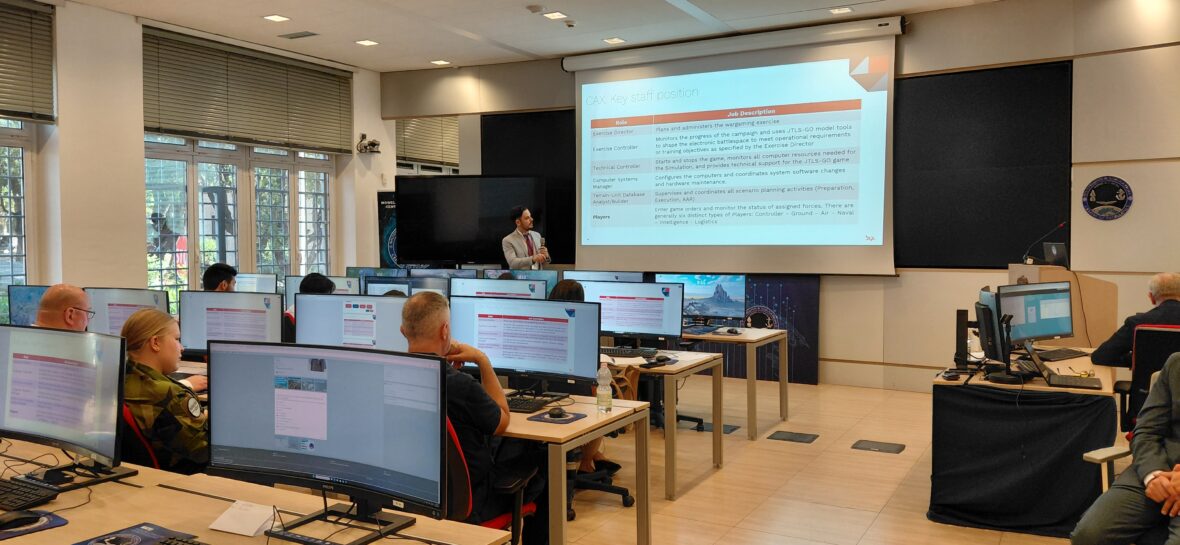
From 15 to 19 June 2026, the NATO Modelling and Simulation Centre of Excellence (NATO M&S COE) in Rome successfully conducted the 3rd JTLS-GO Foundation Course, bringing together 13 international students from a diverse range of organizations, including private industry, academia, the Italian Defence sector, and personnel from NATO Headquarters and NATO organizations. Moreover, this broad participation reflects the growing relevance of JTLS-GO as a key enabler for NATO training, multidomain exercises, and operational decision-making.
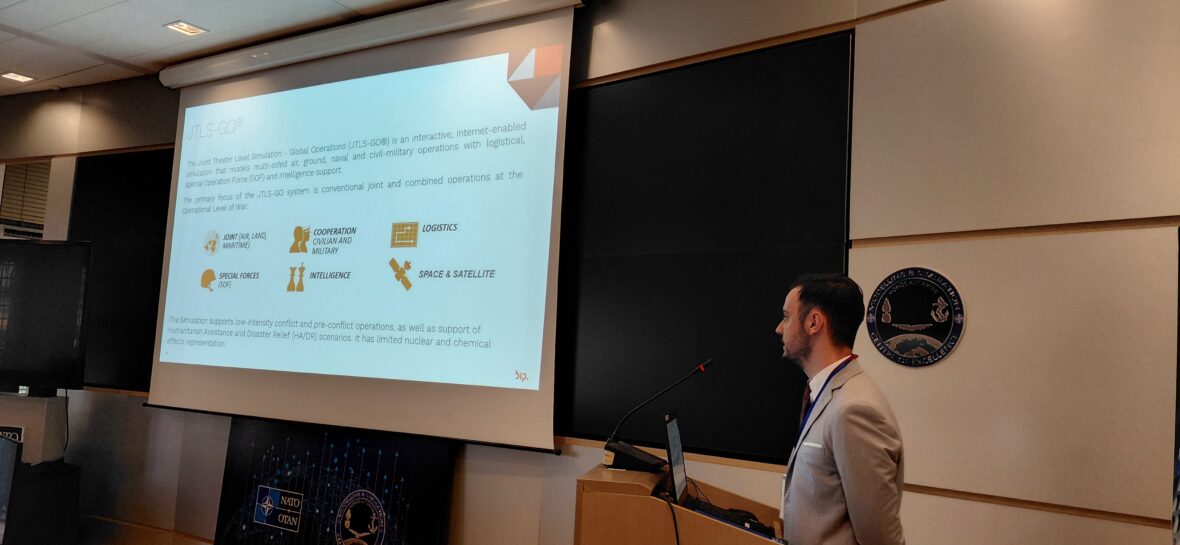
The JTLS-GO Foundation Course is part of the Centre’s official education and training portfolio and is specifically designed to provide participants with the fundamental knowledge required to operate and understand the Joint Theater Level Simulation – Global Operations (JTLS-GO) system.
A key element that distinguished this year’s edition was the support provided for the first time by BIP – Business Integration Partners. Beyond delivering technical and system assistance, BIP deployed a dedicated training team specifically tailored to the course requirements, ensuring participants received both theoretical instruction and practical exposure to the simulator’s operational capabilities.
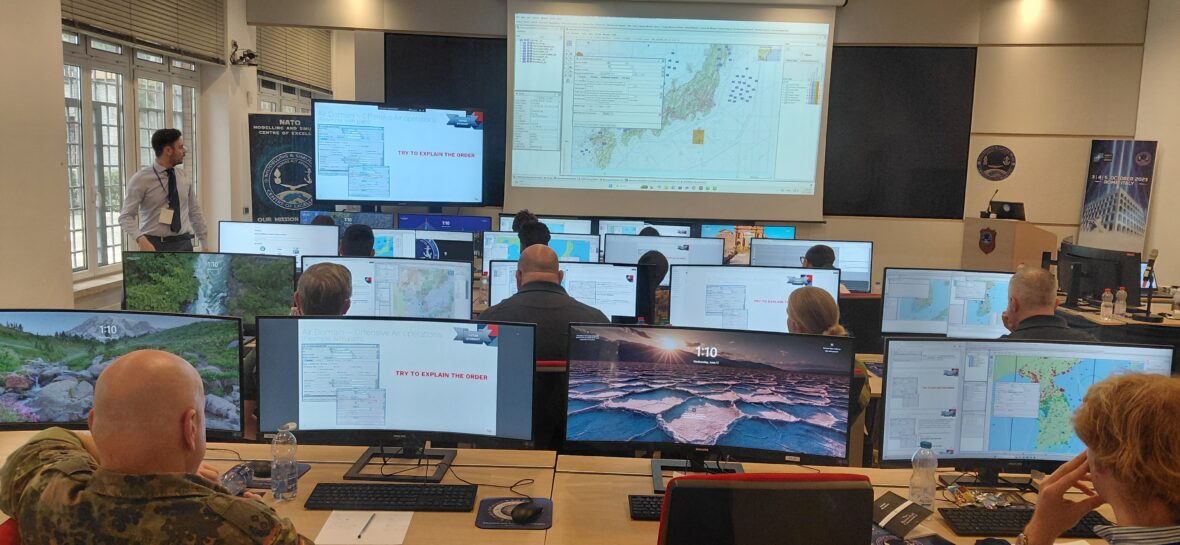
Throughout the week, students were guided through an extensive training syllabus covering the core functionalities of JTLS-GO and its application within modern multidomain operations. The programme included detailed sessions on Land, Air, Maritime domains and Intelligence, while also introducing participants to Logistics, High Resolution Unit (HRU) management, Space and Cyber operations, CBRN scenarios, Wargaming concepts, Disaster Relief activities, and After Action Review (AAR) methodologies, providing an overview of the full range of JTLS-GO capabilities.
Through practical exercises and guided demonstrations, students developed the skills necessary to interact with the system and support the conduct of Computer Assisted Exercises (CAX).
For this specific edition, the NATO M&S COE requested the implementation of two dedicated training scenarios closely aligned with current international crisis environments. These customized scenarios enabled participants to train within realistic operational contexts and provided valuable insight into how simulation technologies can support decision-making during contemporary multidomain crises.
According to the official NATO M&S COE training catalogue, the JTLS-GO Foundation Course serves as the groundwork for the NATO CAX Specialist Certification Course, introducing participants to the simulator’s capabilities and developing the operator skills required for more advanced training paths.
The course is part of a broader educational framework developed by the NATO M&S COE to support NATO’s operational training objectives. This framework includes the upcoming NATO CAX Specialist Certification Course, scheduled from 13 to 17 July 2026, and the JTLS-GO Practitioner Course, planned in October 2026. Together, these activities create a progressive learning pathway aimed at developing professionals capable of planning, supporting, and conducting Computer Assisted Exercises using advanced simulation technologies.
The JTLS-GO Foundation Course also reflected the growing cooperation between NATO, industry, and academia. The relevance of the training pathway is further reinforced by Valkyrie Enterprises, developer of the JTLS-GO system, which promotes both the Foundation and Practitioner Courses within the wider JTLS user community. The successful completion of the course confirmed the increasing demand for qualified simulation professionals capable of supporting NATO exercises and multidomain operations.
Written by Cdr Dino D. Tropea NATO M&S COE
For additional information on NATO M&S COE courses, training activities, and upcoming events, please visit the official website: www.mscoe.org.
+++++++++++++
The NATO Modelling & Simulation Centre of Excellence is dedicated to the promotion of Modelling & Simulation in support of operational requirements, training and interoperability. The Centre act as a catalyst for transformation through the involvement of NATO, governments, academia, industry, operational and training entities, by improving the networking of NATO and nationally owned Modelling & Simulation systems, the cooperation between Nations and organizations through the sharing of Modelling & Simulation information and developments and serving as an international source of expertise for transformation in the related domain. https://www.mscoe.org
NATO Centres of Excellence are nationally or multi-nationally funded institutions accredited by NATO. They train and educate leaders and specialists from NATO member and partner countries, assist in doctrine development, identify lessons learned, improve interoperability and capabilities, and test and validate concepts through experimentation. They offer recognized expertise and experience that is of benefit to the Alliance and support the transformation of NATO, while avoiding the duplication of assets, resources and capabilities already present within the NATO command structure. Although not part of the NATO command structure, they are part of a wider framework supporting NATO Command Arrangements. [source https://www.act.nato.int/centres-of-excellence]
 NATO
NATO